

Tratamiento de conducto radicular
What is a root canal?
A root canal is one of the most common dental procedures performed, well over 14 million every year. This simple treatment can save your natural teeth and prevent the need of dental implants or bridges.
At the center of your tooth is pulp. Pulp is a collection of blood vessels that helps to build the surrounding tooth. Infection of the pulp can be caused by trauma to the tooth, deep decay, cracks and chips, or repeated dental procedures. Symptoms of the infection can be identified as visible injury or swelling of the tooth, sensitivity to temperature or pain in the tooth and gums.
If you experience any of these symptoms, su dentista probablemente le recomendará tratamiento de conducto no quirúrgico para eliminar la pulpa enferma. This injured pulp is removed and the root canal system is thoroughly cleaned and sealed. Esta terapia implica generalmente la anestesia local y generalmente se completa en uno o posiblemente más visitas dependiendo de la condición de su diente. Success for this type of treatment occurs in about 90% of cases. If your tooth is not amenable to endodontic treatment or the chance of success is unfavorable, you will be informed at the time of consultation or when a complication becomes evident during or after treatment. Utilizamos anestesia local para eliminar molestias y realizar el procedimiento. You will be able to drive home after your treatment, y es probable que sea cómoda de regresar a su rutina normal. Adicionalmente, para pacientes con ansiedad dentales, somos capaces de proporcionar sedación oral o analgesia óxido nitroso.
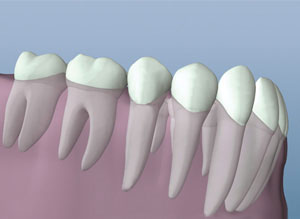
Diente Sano
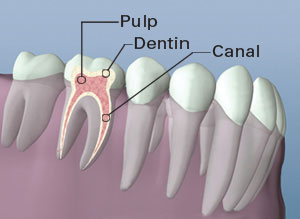
Anatomía del diente
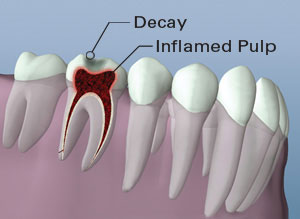
Inflamación
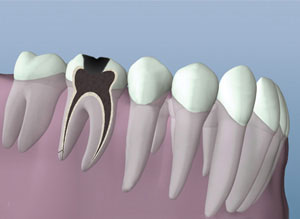
Canales limpios
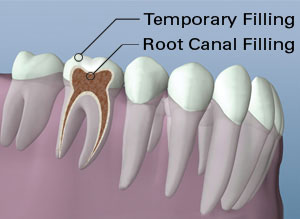
Relleno colocado
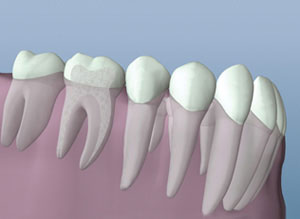
Diente curado
Presentación de Endodoncia
Para brindarle una mejor comprensión de los procedimientos de endodoncia., we have provided the following multimedia presentation. Se analizan muchas preguntas comunes relacionadas con la terapia de conducto..
What happens after treatment?
When your root canal therapy has been completed, un informe de su tratamiento será enviado a su dentista restaurador. Por favor programe con su dentista restaurador plazo de dos semanas para colocar una restauración permanente en su diente. Your restorative dentist will decide on what type of restoration is necessary to protect your tooth. It is rare for endodontic patients to experience complications after routine endodontic treatment or microsurgery. If a problem does occur, however, we are available at all times to respond. To prevent further decay, continue to practice good dental hygiene.
How much will it cost?
The cost associated with this procedure can vary depending on factors such as the severity of damage to the affected tooth and which tooth is affected. In general, endodontic treatment is much less expensive than tooth removal and replacement with an artificial tooth.
[PBHS_VIEWS_SHOW CATEGORÍA=”Tratamiento de conducto radicular”]

